IPTV is completely legal as a transmission technology; whether a specific IPTV service is legal depends entirely on whether the provider holds valid broadcast and copyright licensing for the content it transmits. Internet Protocol Television is simply a networking architecture used worldwide by telecommunications carriers, public broadcasters, and independent platforms to distribute video feeds over standard internet protocols. When choosing a streaming subscription with Zorba IPTV, understanding licensing frameworks, regional laws in countries like the United States, United Kingdom, and Canada, and essential security practices helps viewers make informed, responsible decisions.
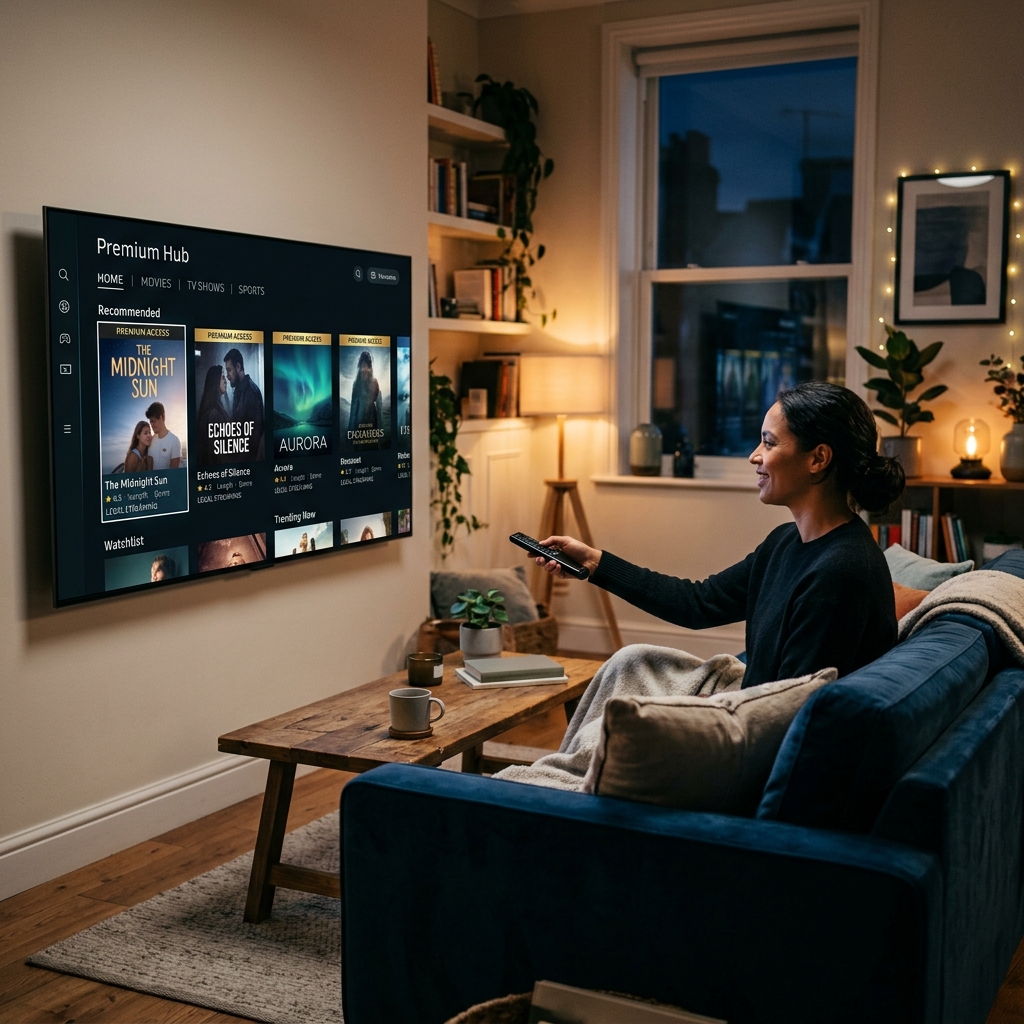
What Is IPTV and How Does Legality Apply to Streaming Technology?
Internet Protocol Television (IPTV) delivers television programming, live sports, and video-on-demand through packet-switched IP networks rather than traditional terrestrial antenna signals, satellite transponders, or coaxial cables.
From a purely technological standpoint, IPTV is as legal as web browsing, email transmission, or digital voice calls. Global telecommunications conglomerates, major broadcast networks, and international news services rely on IPTV architecture daily to distribute content to millions of homes. The underlying protocols—such as MPEG-TS, HLS (HTTP Live Streaming), and Xtream Codes API—are open networking standards without intellectual property restrictions.
Legal questions arise exclusively around copyright authorization. When a streaming service retransmits broadcast channels, pay-per-view events, or cinematic libraries, it must possess distribution agreements from the respective copyright owners. An IPTV service operating with proper distribution arrangements is entirely legitimate, whereas unauthorized rebroadcasters infringe on intellectual property statutes.
IPTV Regulations Across Major English-Speaking Markets
Copyright enforcement and consumer telecommunications laws vary across international borders. Understanding how major jurisdictions handle digital streaming helps viewers navigate their regional legal landscapes responsibly.
United States Streaming Laws
In the United States, digital streaming is governed by federal copyright law and the Protecting Lawful Streaming Act (PLSA) of 2020. The PLSA specifically targets large-scale commercial operators who willfully distribute unauthorized streams for commercial advantage or financial gain, classifying illegal re-broadcasting as a felony offense.
According to public guidance from the U.S. Copyright Office, legal enforcement prioritizes illicit commercial distributors and host infrastructure rather than individual viewers. However, using unverified pirate services exposes viewers to domain seizures, sudden service shutdowns without compensation, and compromised financial information.
United Kingdom and European Regulations
In the United Kingdom, streaming regulation is overseen by the Digital Economy Act 2017 alongside enforcement initiatives from the UK Intellectual Property Office (IPO) and the Federation Against Copyright Theft (FACT).
UK authorities focus enforcement efforts on sellers of "fully loaded" or jailbroken streaming devices and individuals operating illegal commercial streaming servers. British Internet Service Providers frequently implement court-ordered ISP blocks during major Premier League football fixtures, preventing unauthorized IP addresses from delivering video streams to residential broadband connections.
Canada and Australia Streaming Policies
Under Canada's Copyright Act and guidelines administered by the Canadian Radio-television and Telecommunications Commission (CRTC), copyright holders have the legal authority to pursue commercial infringers. Canadian law historically distinguishes between distributing unauthorized media and the passive temporary caching of video data within device memory.
In Australia, the Copyright Amendment (Online Infringement) Act empowers federal courts to direct telecommunication providers to block overseas domains and IP addresses associated with copyright-infringing operations. Viewers are encouraged to verify copyright regulations applicable in their specific state or territory.
How to Identify a Reputable and Legitimate IPTV Provider
Distinguishing a professional, customer-focused IPTV platform from an untrustworthy fly-by-night operation is essential for protecting your payment information and enjoying stable, long-term entertainment.
Reputable services like Zorba IPTV focus on consumer transparency, secure infrastructure, and customer support. When evaluating an IPTV provider, check for the following quality indicators:
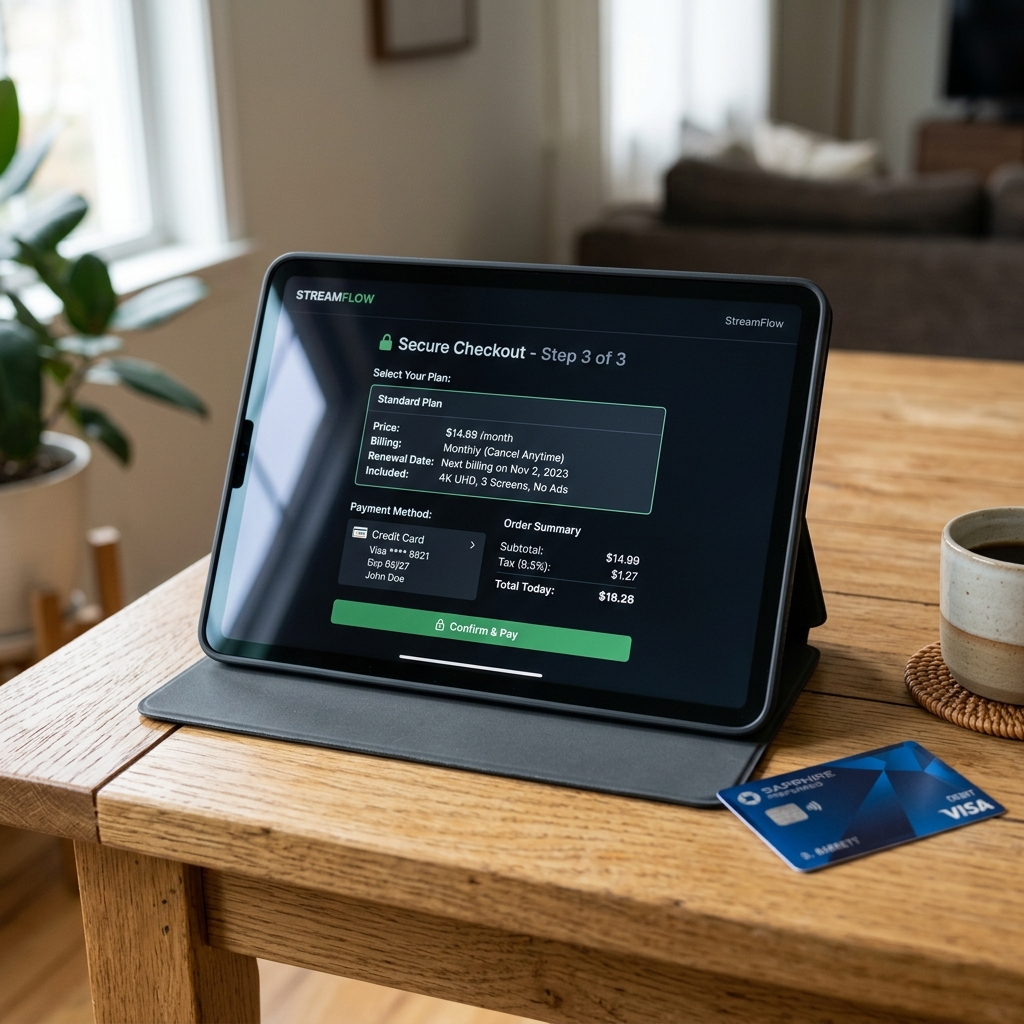
- Transparent Payment Methods: Legitimate providers process payments through encrypted, secure payment gateways accepting standard credit cards and debit cards. Avoid services demanding untraceable gift cards, anonymous peer-to-peer wire transfers, or obscure cryptocurrencies with no buyer protection.
- Hardware Independence: Trustworthy IPTV services allow you to use your own preferred media hardware—such as Firesticks, Smart TVs, or Android boxes—alongside standard players like TiviMate or IPTV Smarters Pro. Never purchase pre-configured, locked-down set-top boxes promising "free TV for life."
- Clear Terms of Service and Privacy Policies: A professional platform clearly outlines its usage policies, refund terms, and customer privacy commitments directly on its website.
- Reliable Customer Support: Reliable providers offer accessible support channels, automated billing account management, and prompt troubleshooting assistance.
- Flexible Subscription Tiers: Trustworthy platforms provide flexible monthly, quarterly, and annual subscription options rather than forcing high-risk multi-year upfront payments.
Comparison: Transparent IPTV vs. Unlicensed Fly-by-Night Operations
The table below illustrates the stark contrast between professional, customer-centric IPTV services and illicit low-grade pirate servers.
| Feature / Characteristic | Professional IPTV (Zorba IPTV) | Unlicensed Pirate Resellers |
|---|---|---|
| Payment Processing | Secure SSL-encrypted gateways with standard card payments | Anonymous crypto, cash transfers, or untraceable gift cards |
| Server Infrastructure | Distributed global cloud clusters with Anti-Freeze 9.0 load balancing | Overloaded single servers that crash during live sports matches |
| Device Compatibility | Universal support for Firestick, Smart TVs, Android, iOS, and PC | Often requires proprietary, modified hardware with preloaded malware |
| Customer Support & Guarantees | Active support desk, setup documentation, and clear refund policies | No customer service; operators disappear when server nodes are blocked |
| Stream Quality & EPG | Crisp 4K and 1080p 60 FPS feeds with synchronized program schedules | Low-bitrate, highly compressed feeds with frequent audio sync errors |
| Personal Data Privacy | Zero data tracking and strict user privacy compliance | User credentials and network IP addresses frequently logged and sold |
Essential Safety Best Practices for Streaming Online TV
Regardless of which streaming platform you use, adopting basic digital hygiene safeguards your home network and personal information while streaming live entertainment.
1. Use Trusted, Independently Verified Media Players
Always install media players from recognized application stores or verified developer repositories. Applications like TiviMate, IPTV Smarters Pro, and IBO Player are trusted, standalone media decoders that contain no preloaded content. Explore our detailed overview of the best IPTV players for Firestick and Smart TV to choose the right client application.
2. Protect Your Network Privacy with an Encrypted VPN
Internet Service Providers frequently inspect subscriber data packets to identify continuous media traffic. During marquee sporting events, ISPs often throttle high-bandwidth video streams to conserve regional bandwidth, creating artificial buffering.
Running a reputable virtual private network (VPN) with WireGuard encryption prevents your ISP from identifying streaming traffic, stops bandwidth throttling, and prevents third-party network eavesdropping on public or shared connections.
3. Follow Verified Hardware Installation Guidelines
Avoid downloading modified APK files or unauthorized application stores from obscure forums. Follow step-by-step setup walkthroughs detailed in our comprehensive IPTV installation guide to safely configure your Amazon Firestick, Android TV, or Samsung and LG Smart TV.
Frequently Asked Questions
Can an individual viewer get into legal trouble for watching IPTV?
In major Western jurisdictions including the United States, United Kingdom, and Canada, copyright enforcement legislation primarily targets commercial entities that operate unauthorized redistribution servers or sell illicit pre-configured set-top boxes. Individual end-users are rarely targeted with criminal action, but unvetted services expose viewers to sudden service shutdowns, financial fraud, and malware.
Why are IPTV subscriptions significantly more affordable than traditional cable?
IPTV delivers media directly through the public internet, eliminating billions of dollars in satellite launch expenses, ground trenching, coaxial wire maintenance, and proprietary hardware box manufacturing. These massive infrastructure savings allow internet television providers to offer extensive international programming at a fraction of legacy telecom pricing.
Is it legal to download and use third-party IPTV player apps like TiviMate or IPTV Smarters Pro?
Yes, third-party IPTV player apps are 100% legal software utilities. They contain no proprietary or infringing media feeds by default and function as blank video players, similar to web browsers or media decoders like VLC. Users legally configure them by inputting their own playlist links or API credentials.
Do I need a VPN to stream IPTV safely?
While not strictly mandatory for playback, using a reliable VPN with WireGuard encryption is recommended. A VPN protects your digital privacy, prevents residential internet service providers from throttling your streaming bandwidth during live sports, and shields your network traffic from commercial surveillance.
How can I verify whether an IPTV provider is trustworthy before purchasing?
Look for transparent business practices: secure SSL checkout accepting standard credit cards, clear terms of service, accessible customer support, hardware independence allowing you to use your own media player, and flexible short-term subscription durations rather than mandatory multi-year commitments.
Conclusion: Choosing a Safe and Reliable Streaming Setup
IPTV technology represents the future of global television broadcasting, delivering unprecedented convenience, extensive international channel choices, and outstanding 4K picture clarity directly over the internet. By understanding the distinction between transmission technology and copyright licensing, choosing providers with transparent business practices, and utilizing secure media player applications, you can enjoy premium live sports, movies, and world entertainment with complete peace of mind.
Ready to experience dependable, high-definition television streaming? Explore the flexible Zorba IPTV pricing plans and start streaming your favorite channels across all your devices today.